Could Semaglutide, Tirzepatide and Retatrutide Quiet Alcohol and Drug Cravings?
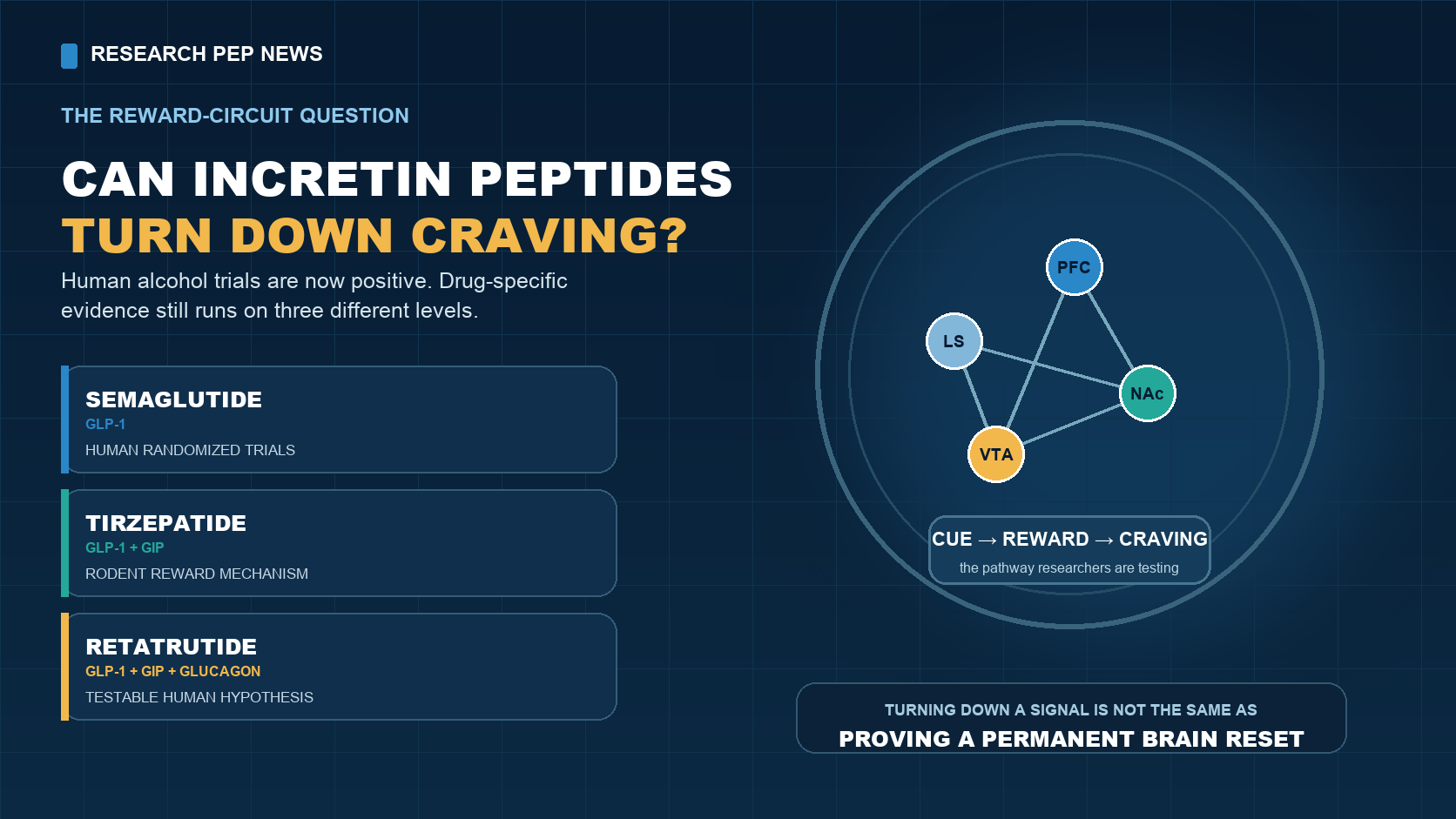
Three semaglutide trials report less heavy drinking or craving, while tirzepatide reduced alcohol reward in rodents. Here is what researchers know.
The complete collection: 33 reports spanning research, policy, industry, news, and public culture.

Three semaglutide trials report less heavy drinking or craving, while tirzepatide reduced alcohol reward in rodents. Here is what researchers know.

GLP-1 withdrawal trials show common weight regain. New 2026 evidence tests continued and reduced-dose maintenance—and exposes the questions left open.

A flat scale or returning appetite can make dose escalation feel obvious. The evidence says to check the trend, waist, strength, adherence and side effects first.

How U.S. GLP-1 prices and insurance denials drive patients toward cash pay, compounding and the grey market—and what each pathway proves.

GH-releasing peptides amplify feedback-regulated signaling instead of activating androgen receptors. Here is why they may carry less risk than steroids.

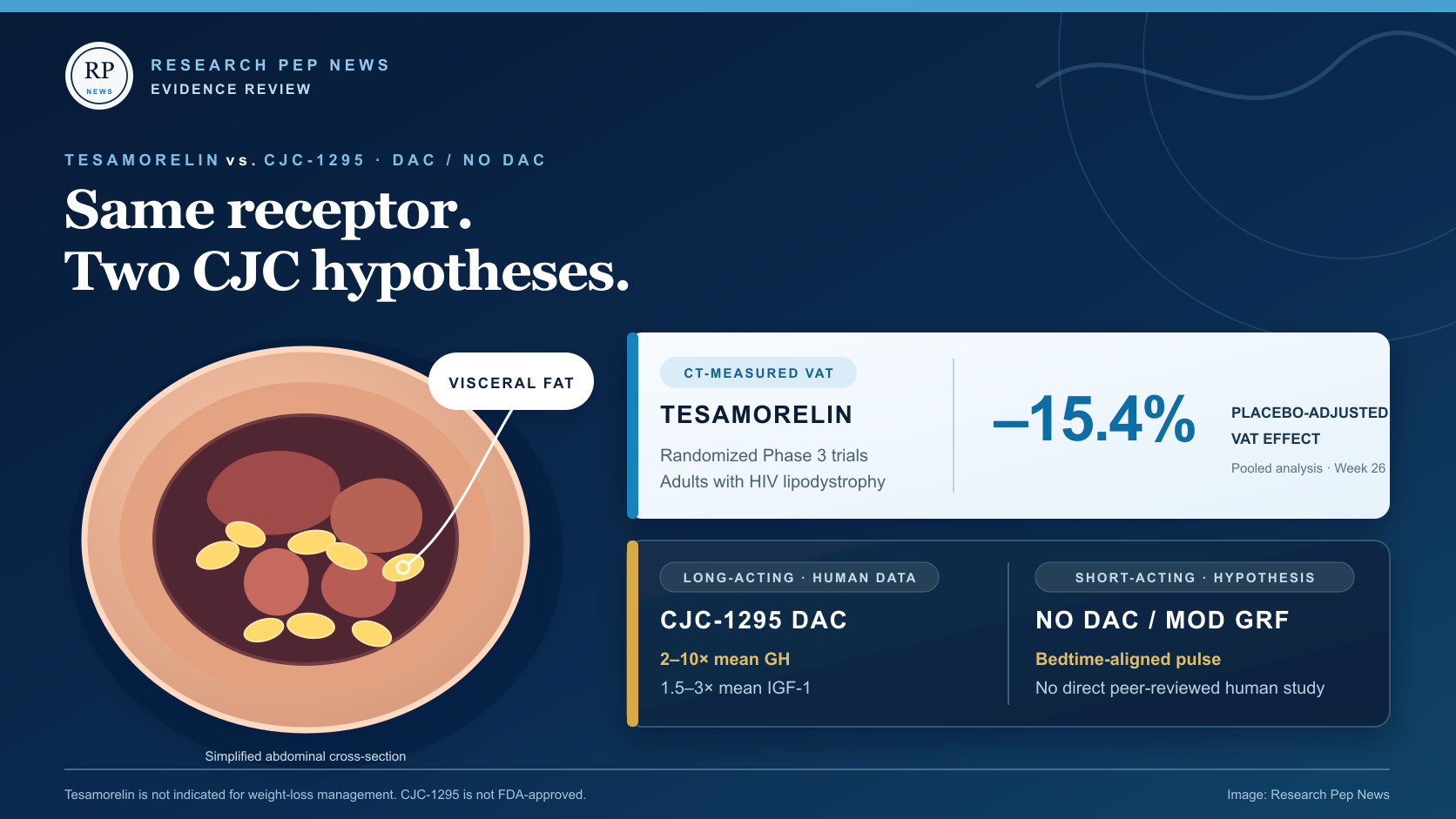
Tesamorelin has FDA approval and visceral-fat trial data. CJC-1295 DAC and the no-DAC form stimulate growth-hormone signaling through different research paths.

Trace a research peptide through synthesis, testing, shipping and relabeling—and see where batch identity, purity, storage records and custody can break.

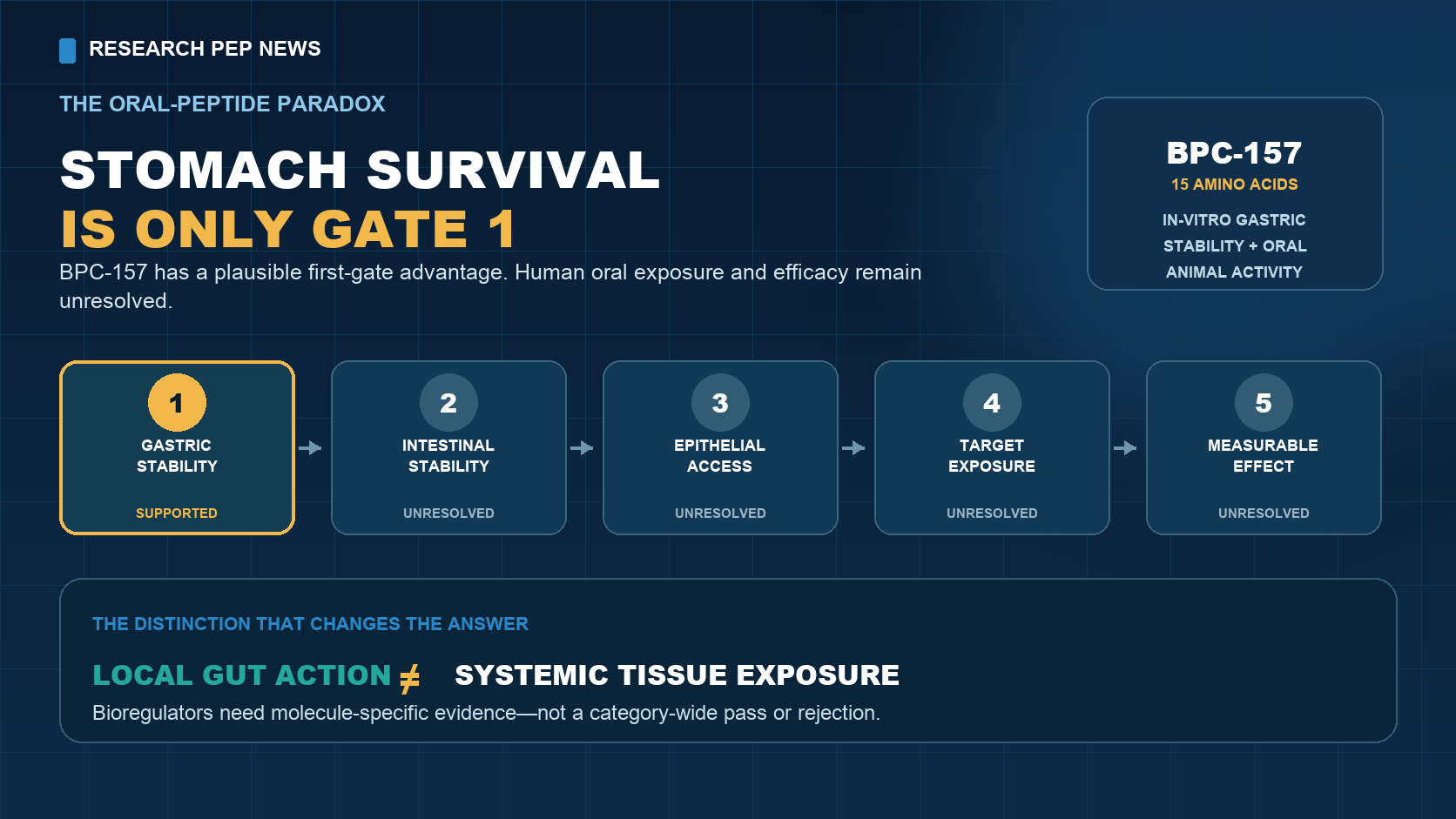
Rat studies link BPC-157 to nitric-oxide signaling and altered vascular tone. Human blood-pressure and drug-interaction evidence remains nearly absent.

GLP-1 and retatrutide trials show that most weight lost is fat, while lean tissue also falls. What protein, strength training and older adults need to know.

Not losing weight after four weeks on semaglutide or tirzepatide? Dose-escalation schedules and SURMOUNT-1 data explain why some GLP-1 responses arrive later.

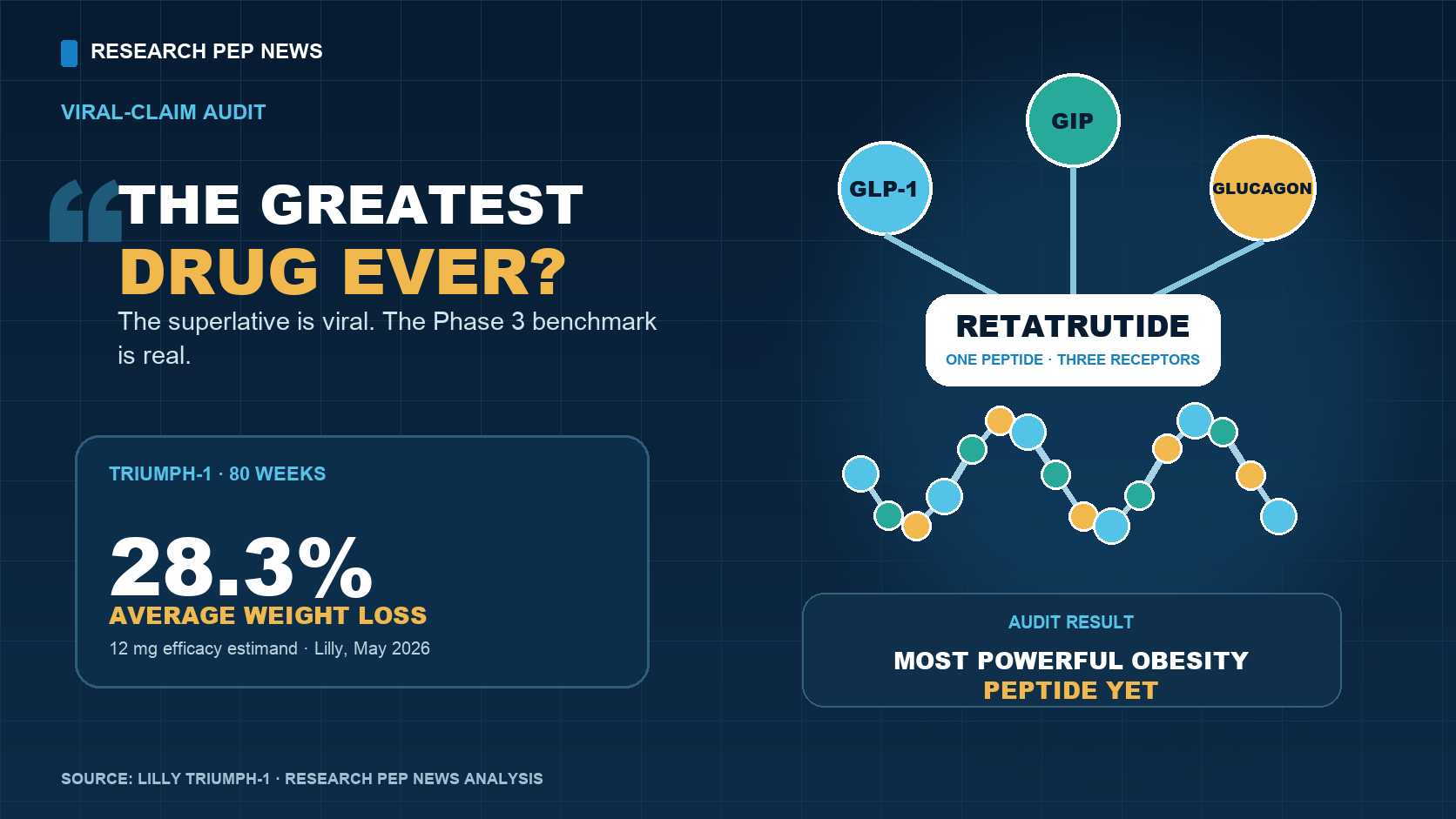
Lilly’s biologics strategy could keep retatrutide free from biosimilar competition for 12 years as forecasts place its launch price as high as $1,500 a month.

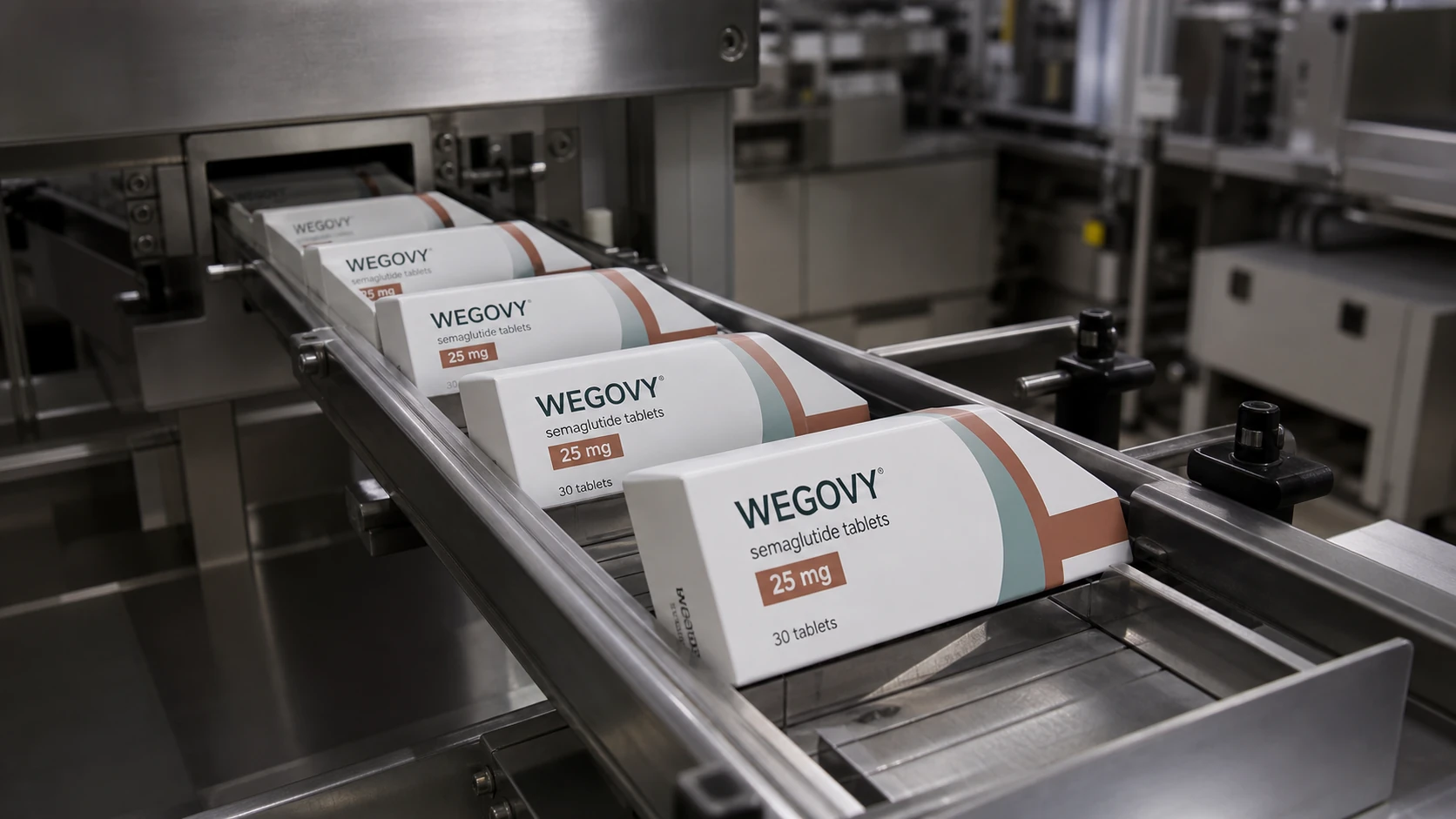
Hims launched a $49 compounded semaglutide pill, withdrew it after FDA pressure and a Novo Nordisk legal threat, then became Novo’s partner.

FDA advisers backed BPC-157, TB-500, KPV, MOTS-c, Semax and Epitalon for the 503A Bulks List. Here’s what the vote means.

How social media, clinical language, and fast-moving wellness culture are shaping what the public thinks it knows about peptides.

Researchers report early findings involving a naturally occurring peptide and a potential path for further melanoma research.

Public attention is rising, and physicians are emphasizing the difference between approved medicines and unapproved compounds.

Celebrity wellness trends can move faster than the research. This report follows the gap between attention and evidence.

Peptide storage depends on temperature control, handling, labeling and documentation. This guide explains the practices that protect material quality.

Coverage of young men, appearance pressure and peptide interest reveals how social media, wellness culture and body-image expectations are converging.

Bay Area founders are positioning peptide-focused businesses at the intersection of biotechnology, wellness, and consumer demand.

The United States, Canada, Mexico, Japan, and Europe are responding to peptide interest through different scientific and regulatory systems.

An investigation examines unapproved peptide use, AI-generated health guidance and the widening information gap facing people searching for reliable answers.

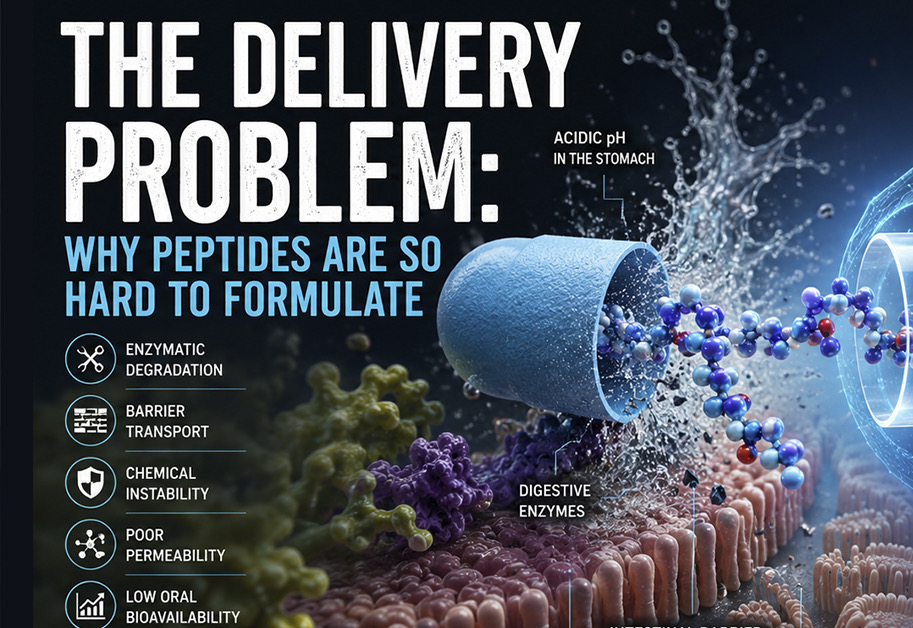
Oral absorption, enzymatic degradation, stability, and transport continue to make peptide delivery a demanding scientific problem.

A research-focused update on federal policy, compounding reviews, access arguments, and the political figures shaping the debate.

Generative design, structure prediction, and computational screening are changing how researchers identify early peptide candidates.

Peptide studies in hypertension, osteochondral regeneration and bioactive extraction show how widely the field is expanding across modern research.

A detailed review of peptide discovery, production, delivery and approved applications explains where therapeutic peptide research may move next.

A plain-language look at analytical testing, documentation, transparency, and the limits of what a laboratory report establishes.

Celebrity comments provide another window into the widening public conversation around peptides, wellness, and medical oversight.

The Journal of Peptide Science serves the European Peptide Society and publishes research spanning peptide chemistry, biology, synthesis and applications.

A review of consumer reporting on peptide hair products, expert commentary, and the questions readers should keep separate.

Computational design, synthesis, analytical testing, manufacturing and regulation are changing together across the new era of peptide research.

Ring-shaped molecular architecture is opening new questions in target binding, synthesis, screening, analytics, and manufacturing.